What to Expect from a Professional Marine Mechanic in Hastings
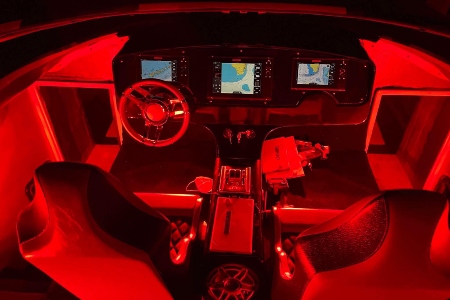
If you are looking for a reliable marine mechanic in Hastings, FL, you want clear steps, honest updates, and work that holds up on local waters. This guide walks you through the full service experience so you know how your boat will be handled from the first phone call to the final water test. Working with a Hastings marine mechanic brings local knowledge that protects your engine from salt air, summer thunderstorms, and the brackish mix you find between the St. Johns River and nearby tidal creeks.
Your First Call: Scheduling And Intake
Your experience starts with a quick conversation. Expect a friendly intake that captures your boat's make, model, engine type, known symptoms, recent service history, and where you use the boat most. Sharing whether you run mostly on Crescent Lake, the St. Johns, or launch closer to St. Augustine helps your technician plan for conditions like salinity and marine growth. You will also receive a target drop-off date and an overview of next steps.
- Be ready with your HIN, engine hours, and any alarm codes or warning lights you saw.
- Note when the issue occurs most often, such as after long idles at Dunns Creek or during high-speed runs on open water.
From the start, a good shop sets expectations for communication. You should know how they will reach you, when to expect status updates, and what authorizations they will need before moving forward.
Thorough Diagnostics Built For Hastings Waters
After check-in, the diagnostic phase begins. Pros use engine-specific scan tools, visual inspections, and on-boat tests that account for our local environment. In Hastings and greater St. Johns County, corrosion, fuel quality swings, and heat are common culprits. A seasoned technician checks cooling water flow, looks for salt crust on connectors, and verifies that sensors read correctly under load, not just at idle.
Many issues show up only when the engine is warm and pushing against real water. That is why a reputable shop confirms symptoms on the hose and on the water when needed. If your boat lives on a lift along a brackish canal or spends weekends at the ramp in Palatka, the mechanic will factor in marine growth on the lower unit, ethanol-related fuel varnish, and electrical gremlins caused by humidity.
Salt, heat, and summer storms in Hastings can speed up corrosion on terminals and trim relays. Ask your shop about protective coatings and sealed connectors that stand up to brackish spray during hurricane season from June through November.
Clear Findings And No-Pressure Recommendations
Once diagnostics are complete, you should receive a plain-English summary of what the team found, why it matters on the water, and the recommended fix. Quality service providers separate must-do safety items from maintenance that can be scheduled later. They also outline parts availability and the expected service timeline. This keeps you in control while ensuring the boat will be safe for the St. Johns' afternoon chop or a run to Crescent Lake's open stretches.
Instead of vague jargon, look for specific root causes such as restricted cooling passages, weak spark under load, contaminated fuel, worn impeller vanes, or charging system drops at cruise rpm. The right plan aims to fix the cause, not just the symptom.
Precision Repairs That Last
With your approval, the marine mechanic moves into repairs. That can include cooling system service, fuel system cleaning, ignition components, steering and controls, or gearcase work. On outboards and sterndrives, proper torque values and seal alignment are critical to prevent water intrusion during long idles under the Bridge of Lions area or repeated launches at ramp grade.
Shops that stand behind their work document part numbers and test results. They apply marine-rated anti-seize, dielectric grease, and corrosion inhibitors where appropriate for our coastal climate. If your boat sees both freshwater and intermittent salt spray near St. Augustine, they will choose anodes and materials that match those use patterns.
- Engine and cooling: impeller, thermostats, sensors, and water jackets inspected for scale or debris.
- Fuel and air: filters, lines, injectors, and VSTs checked for varnish and ethanol phase separation.
- Electrical: battery state, charging at cruise, clean grounds, and sealed connectors for humidity protection.
- Controls and steering: cable drag, hydraulic fluid condition, and alignment verified for smooth handling.
- Safety systems: bilge pump flow, float switch, blower operation, and navigation lights confirmed.
Whether you are prepping for early-spring speckled perch trips or late-summer redfish runs, a proper repair should give you consistent starting, smooth idle near docks, and reliable power to plane with family or gear on board.
Quality Control, Water Testing, And Pickup
Quality control is where great shops shine. After repairs, the boat is run through a checklist to verify that alarms clear, voltages hold, and temperatures stay within spec. If your use case involves long no-wake zones in Palmo or San Mateo, idle stability gets special attention. Many providers also conduct a water test when the repair affects performance, cooling, or fuel delivery. Documentation of rpm, speed, and engine data under load helps confirm that the fix is complete.
Always ask about water testing before pickup. A short run on the St. Johns or Crescent Lake can reveal issues that do not show on the hose. When you arrive, you should receive a quick tour of what was done, what to watch for on your next outing, and when to plan your next maintenance visit.
Local Factors Your Mechanic Accounts For
Hastings lies near both brackish and freshwater environments, which means maintenance plans need to be tailored to mixed conditions. Summer heat strains cooling systems. Afternoon thunderstorms can spike humidity and add moisture to the air, which can fuel wildfires. Fall cold snaps change idle quality if sensors are marginal. A professional marine mechanic anticipates these swings and sets service intervals that match your real-world use, whether your boat lives on a trailer off County Road 13 or in a covered slip near Palatka.
If you fish the river edges, trim and tilt systems work hard in shallow runs. If you tow to the coast, salt scale and zinc depletion accelerate. The best shops tailor recommendations to your boat, your habits, and the waters you navigate.
What Sets Quality Service Providers Apart In Hastings
- Local proof: consistent service for boats that run the St. Johns River, Crescent Lake, and tidal creeks near St. Augustine.
- Testing mindset: verification on the hose and on the water when performance is involved.
- Clean workmanship: routed cables, labeled harnesses, and tidy bilges that make future service faster and more reliable.
- Transparent communication: photo or video updates during diagnosis and reassembly, plus clear next steps.
- Preventive outlook: suggestions that address corrosion and fuel stability so that small issues do not become breakdowns.
These differences save you time on busy weekends and give confidence when the weather turns, or the current picks up at channel bends.
The Timeline You Can Expect
Turnaround varies by season and parts lead time, but the process follows a predictable path. After drop-off and intake, diagnostics usually occur first, followed by your approval, ordered parts, repair work, and final testing. During peak spring and early summer, schedules can tighten as more boats hit the water. Clear updates help you plan around family trips and fishing windows.
A dependable shop will not overpromise. They will give a realistic window and call if anything changes, such as a backordered sensor or a stripped fastener discovered during teardown. That level of care prevents rushed mistakes and keeps your boat safe and dependable.
How Your Mechanic Protects Against Corrosion And Fuel Problems
Because Hastings boaters split time between freshwater stretches and salty air, corrosion control is not optional. Expect proper anode selection, attention to paint chips on the lower unit, and a focus on sealed electrical connections. Fuel system care matters too. Ethanol blends can pull in moisture during our humid summers, and stale fuel from long off-season storage can cause rough running. Good shops clean or replace filters, check injectors, and verify pressure and flow under load so you can idle through no-wake zones without stalling.
Instead of band-aids, a pro looks for the source of corrosion or contamination and addresses it with marine-grade materials and methods that hold up over time.
After-Service Confidence in Local Water
When you pick up the boat, you should have a clear understanding of what was fixed and why it will last on our waters. Keys, kill switch lanyard, and manuals are returned to you. Your mechanic notes any items to watch on the next few trips, such as listening for belt squeal after a re-tension or checking for a clean telltale stream at startup. Many shops schedule a courtesy follow-up call after your first outing to make sure everything performed as expected.
Whether you need routine maintenance or boat repair, this end-to-end process helps you avoid repeat problems and keeps your weekends fun and stress-free.
Smart Habits That Make Every Visit Easier
You do not need to be a technician to support your boat's health. Bring a simple list of recent trips and any symptoms you noticed, like surging at cruise near the Shands Bridge or a warning horn after long idles. Share where you store the boat and how often it sits. These small details help your mechanic spot patterns and reduce time chasing intermittent issues.
Keep a simple maintenance log. Dates, engine hours, and brief notes are enough. When a shop can see the history, they diagnose faster and recommend a service that fits your use, not a generic one-size plan.
Why Local Experience Matters
Boats that live around Hastings deal with unique demands. Shifting sandbars, brackish tides, hot summers, and sudden storms all stress engines and rigging. A local pro has seen these patterns again and again. They know which parts last, which fail early, and which preventive steps pay off for boating on the St. Johns River and Crescent Lake. That insight means fewer surprises and better reliability when you have friends or family on board.
From the first call to the final water test, a professional shop builds trust through communication, careful diagnostics, and repairs that stand up to real-world conditions. That is the difference you feel when the engine lights off clean, idles smoothly at the ramp, and pushes you on plane without hesitation.
Ready To Work With A Pro?
If you want a dependable partner for your boat in Hastings, call Nash Marine at 904-540-3388. Tell us where you run, what you are hearing or feeling, and your target trip dates. We will handle the rest with clear updates and verified testing so you can enjoy the St. Johns River, Crescent Lake, and nearby waterways with confidence.
Get in touch today with Nash Marine. Your trusted marine mechanic in Hastings is ready to help you plan service around your season, protect your equipment from salt and heat, and keep your time on the water smooth and safe. Let our team be the marine mechanic Hastings boaters rely on for lasting results.
For fast scheduling and straight answers, contact Nash Marine in Hastings. Your marine mechanic is just a call away at 904-540-3388.