Saltwater Damage in Yachts: How Electrical Systems Fail and What to Watch For
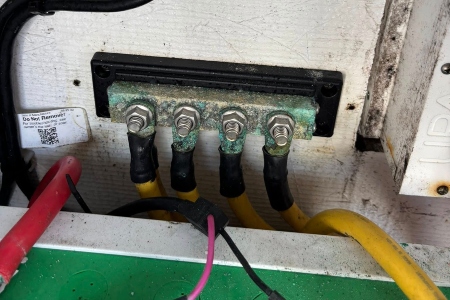
Owning a yacht along the Intracoastal and the nearby Matanzas River means dealing with salt, heat, and humidity nearly year-round. Those three together are tough on every wire, connector, and circuit on board. If you want smooth weekends on the water and safe night runs home, treat salt-related corrosion as a top threat. This guide explains how failures start, how they spread, and the warning signs you should catch early. If you need dependable yacht repair in Hastings, FL, Nash Marine is here to help at 904-540-3388.
Why Saltwater Attacks Yacht Electrical Systems
Salt is a conductor. When salty moisture bridges two points in your electrical system, it can create unwanted paths for current. Over time, that creates heat and damage. Even when the boat is dry, salt residue attracts humidity from the air and keeps circuits damp. Add daily temperature swings, and you get cycles of condensation that creep into wire strands and behind panel seams.
Different metals touch each other throughout a yacht. Stainless screws, copper wiring, aluminum housings, and brass terminals can sit inches apart. In the presence of salt and moisture, dissimilar metals try to equalize. That electrochemical process eats the more reactive metal first and forms oxides that raise resistance. Higher resistance turns into heat. Heat breaks down insulation. Eventually, small nuisance issues become hard faults that shut down gear when you need it most.
Early Warning Signs You Should Never Ignore
Corrosion usually whispers before it shouts. Paying attention to subtle hints can prevent bigger problems on the water.
- Electronics that flicker, reboot, or show random screen lines when you hit a wave or use the bow thruster.
- Nav lights or cabin lights that look slightly dimmer than normal, especially on longer evenings underway.
- Breakers that trip after you start the windlass, bow thruster, or air conditioner, then reset fine once the load is off.
- VHF transmissions that sound weak or scratchy, or AIS targets that vanish and reappear without reason.
- Green or white powder around copper wires, battery posts, and behind switch panels. That is oxidation and salt residue.
- Cables that feel stiff, swollen, or have a "crunchy" jacket when bent gently near connectors.
- A hot or "electrical" smell near the helm, battery compartment, or shore power inlet. Never ignore a burning smell.
If you notice one or more of these symptoms, your system may already be losing efficiency. The sooner a pro evaluates the circuits, the less collateral damage you will see.
How Corrosion Progresses From Minor Annoyances To Major Failures
Think of corrosion as a series of dominoes. It often begins where wires terminate. A tiny film of salt forms at a crimp or a plug. That film holds dampness and oxygen. The copper darkens. Resistance climbs, so voltage drops at that point. Now your electronics pull more current to keep up. Extra current means more heat at the same weak spot. The insulation near the connector starts to harden and lose flexibility. Over time, the wire strands wick moisture deeper down the run, spreading the problem several feet past what you can see.
In panels and junction boxes, this process causes contact springs to lose tension. Micro-arcs can form when vibration shakes loose parts. Those arcs leave behind soot and pitting that make the next arc easier. A once-reliable breaker may trip at lower loads. A reliable chartplotter may turn into a reboot machine at random. On the worst days, a swollen cable jacket can split, allowing saltwater to enter during spray or rain, leading to short circuits and total equipment failure.
In late summer, afternoon storms push salty spray deep into helms and lockers around the St. Augustine Inlet. After a squall, allow spaces to dry thoroughly and avoid powering up nonessential electronics until a professional checks any damp panels. This small habit reduces hidden moisture damage over time.
Where Moisture Sneaks In Around Hastings, FL
Hastings sits close to tidal waters, so even boats kept inland get regular salt exposure on runs to St. Augustine or Palatka. Local weather adds heat, humidity, and frequent showers. That combination finds every weak seal. Common entry points include:
- Shore power inlets and cord ends that see daily plug-and-unplug cycles.
- Deck fittings, rod holders, and rail bases that see flex and vibration underway.
- Hatch and door gaskets that compress over time and allow spray during quartering seas.
- Helm enclosures and instrument panels that collect condensation overnight, especially after hot days followed by cooler evenings.
- Chase tubes and wire runs that slope toward a low spot, letting condensation pool and wick into cables.
Because these areas are out of sight, issues can build up for months. By the time a symptom shows up at the helm, corrosion may already be widespread behind panels and inside lockers.
Electronics, Batteries, And Charging Systems At Risk
Modern yachts rely on networks of sensors, displays, and controllers. Many are sensitive to small voltage changes or data noise. Corrosion at a single shield or ground can cause chartplotter lag, erratic depth readings, or weak radar returns. Cameras and thermal imagers can fog, then fail outright after repeated hot-and-humid cycles. Even a small leak at the base of an antenna can drip down the coax and corrode the connector, which degrades both VHF performance and AIS performance.
Batteries and charging systems take a beating, too. Salt crystals on terminals draw moisture and create surface paths for current. That robs charging power and can leave batteries undercharged for long periods. Undercharged batteries run hotter during use and age early. Chargers and inverters draw in engine-room air to cool themselves. If that air is salty, cooling fins and fans corrode, raising internal temperatures and shortening their life. Shore power plugs with pitted blades run hot at the dock. Over time, the heat can damage the inlet and the wiring behind it.
Connections And Wiring: The Hidden Weak Links
Connections fail long before wire runs do. Crimps that once looked perfect can loosen with vibration and heat cycles. Splices hidden under tape or aging heat-shrink can wick moisture and corrode from the inside out. On longer runs, especially those routed low in the hull, salt-laden air settles and stays. That air feeds corrosion that you cannot see until you cut the jacket. The result is a cable that measures fine with no load, but drops voltage the moment you start a windlass or thruster.
Harness plugs are another quiet trouble spot. A single greened pin can starve a whole device of clean power. Helm buses and negative bars may look tidy from the front, yet hide oxidation where screws meet metal. That creates the kind of mystery intermittent problems that seem to fix themselves, then return at the worst time.
What A Professional Inspection Covers
Because salt damage often goes undetected, the smartest move is to have a qualified technician evaluate the system on a regular schedule. A professional review focuses on the failure points that owners cannot easily see. Typical service includes visual checks behind panels and inside junction boxes, load testing to spot hidden resistance, and targeted cleaning to remove conductive salt films. Pros also verify that wire sizes match the real loads you run today, not what the boat had when it left the factory years ago. That is important if you have upgraded electronics, added refrigeration, or installed new pumps.
In Hastings and the surrounding waters, seasonal changes matter. Summer brings daily thunderstorms that drive moisture deep into connectors. Winter cold snaps create heavy overnight condensation that lingers in enclosed spaces. A technician who understands these local patterns knows where to look first and how to prevent minor moisture problems from snowballing into outages when you head offshore or up the river.
Real-World Scenarios From Local Waters
Here are a few patterns technicians in our area have observed. They show how small issues turn into bigger ones if left alone:
Shore power pitting at the dock can heat the inlet and bake the surrounding panel. The owner notices a warm plug only when a breaker starts to trip. By then, terminal screws may have loosened, causing arcing. In another case, a helm that fogs on muggy mornings points to air leaks in the enclosure. That condensation seeps into switch gear, and weeks later, a bilge pump stops after splashing through the inlet on a breezy day. One more example is a windlass that hesitates under load. The anchor still comes up, but slowly. That symptom often stems from high resistance in a corroded connection far from the bow.
Owner Red Flags To Act On Right Away
While the repair work belongs with professionals, recognizing red flags protects your schedule and your gear. If you notice any of the following, book a service promptly so a tech can isolate the root cause before it spreads:
Schedule seasonal electrical inspections if you run the boat year-round or store it near the coast. Address repeated breaker trips caused by heavy loads such as air conditioning, thrusters, or galley appliances. Pay attention to battery monitors that show healthy voltage at rest but dip fast under modest load. Treat recurring condensation behind clear helm covers as a warning that salt moisture is getting inside. Finally, trust your senses. A hot plastic smell or a clicking relay near the batteries is your cue to get help before a simple cleanup turns into component replacement.
Why Choose A Local Expert Near Hastings, FL
Local knowledge speeds up accurate diagnosis. A technician who works on boats that run the St. Augustine area knows how afternoon chop, storm-driven spray, and marina exposure affect specific models and layouts. They also understand the pace of our boating season, the storage conditions many owners use in rural parts of St. Johns County, and the impact of brackish runs toward Palatka. That context helps them quickly identify the real issue rather than chasing symptoms.
When you reach out to Nash Marine, you get a team that documents findings clearly, tests under real loads, and prioritizes reliability. We explain what failed, what needs attention next, and what can wait. That way, you plan time on the water without surprises. If your yacht has been seeing more spray lately or the helm has shown even minor glitches, now is the moment for a thorough check.
Get Help From A Trusted Pro In Hastings
If you are dealing with dim lights, flickering screens, or a stubborn windlass, it is time to bring in a Hastings marine mechanic who knows salt-related failures inside and out. Our team at Nash Marine inspects the hidden trouble spots that cause intermittent power drops and hunts down small shorts before they become big problems. We back our work with clear communication, timely scheduling, and respect for your boat and your plans.
Whether you keep your vessel near Hastings or make regular runs to St. Augustine, we can evaluate electronics, power distribution, charging, and safety circuits. If corrosion has already taken hold, we isolate damaged sections and recommend repairs that restore reliability and protect surrounding systems. Owners call us when they want problems solved the right way the first time and when they want their weekends back.
Talk with a specialist at Nash Marine today at 904-540-3388. We will learn how you use the boat and tailor service to fit that pattern, from river cruising to offshore hops on calm fall mornings.
Ready To Protect Your Yacht's Electrical System?
Your yacht is a complex electrical network working in a harsh environment. Corrosion will not wait, and small issues rarely fix themselves. If you spot warning signs or have not had a seasonal check, make the safe choice now. Our technicians understand Hastings weather, local waterways, and the way salt sneaks into wiring and connections. We keep you cruising without drama.
For dependable service and quality yacht repairs, contact Nash Marine at 904-540-3388. Schedule your appointment for yacht repair in Hastings with Nash Marine and get back to confident, trouble-free time on the water.